Projects

What we build

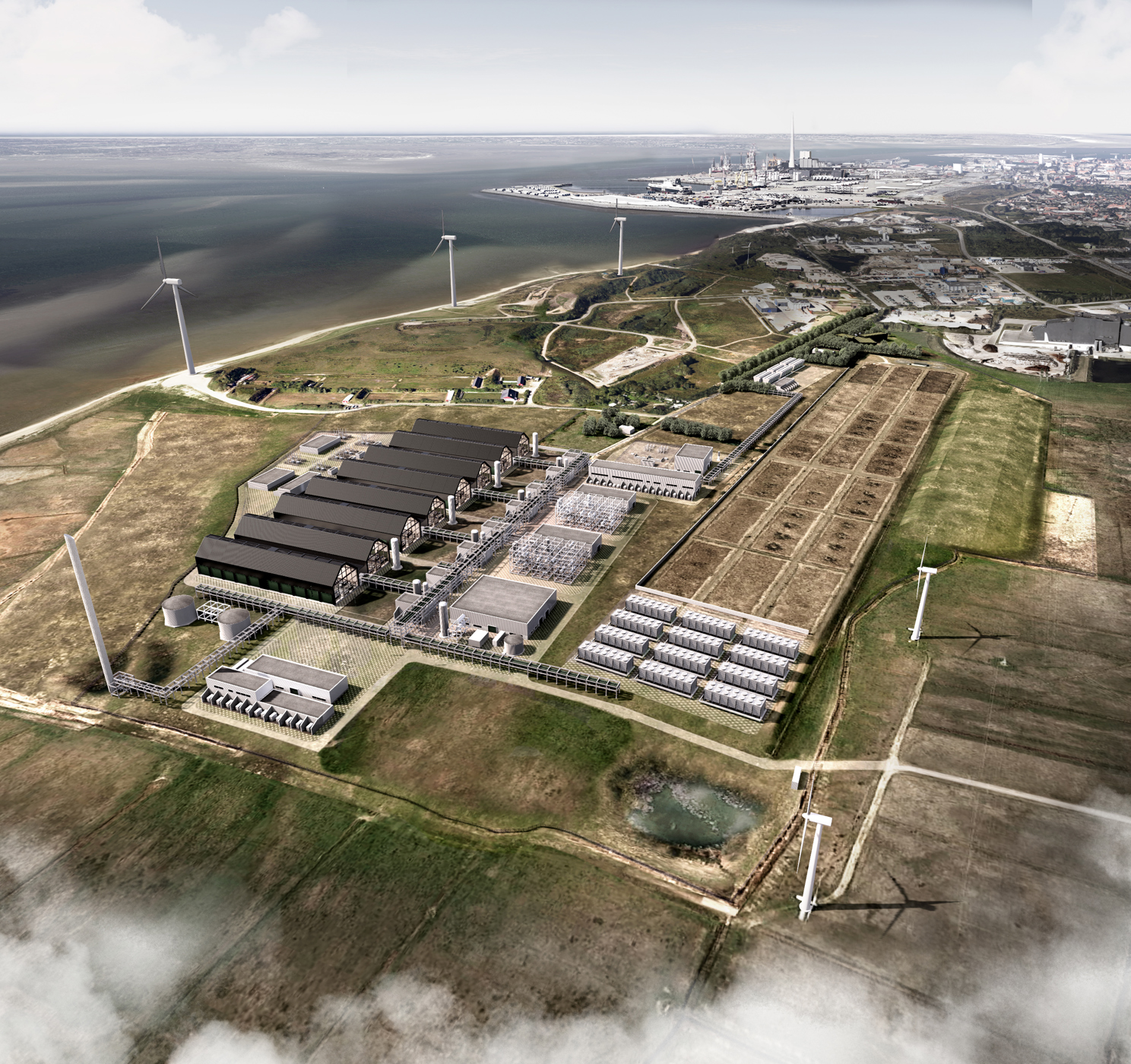
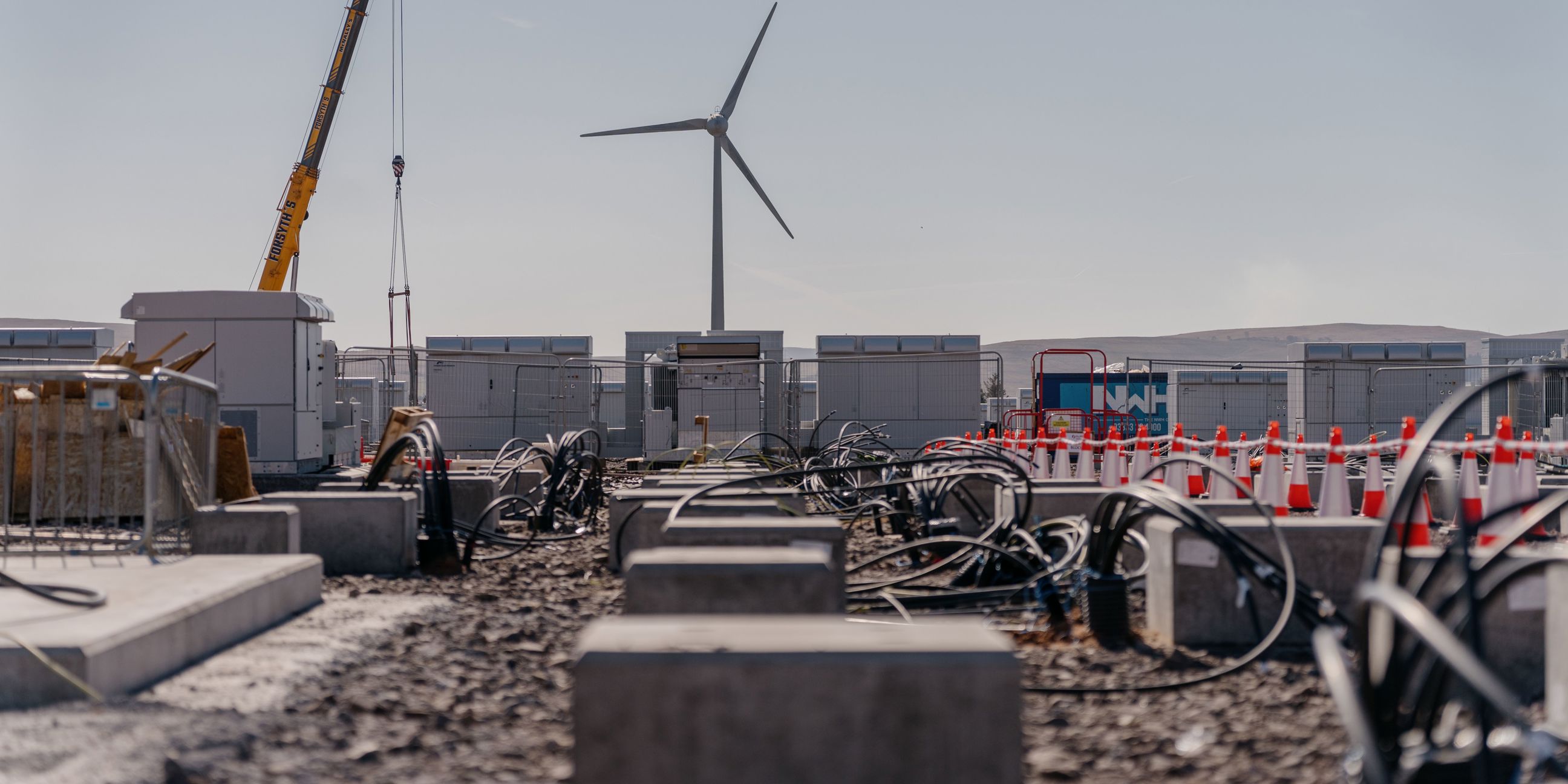
CIP Coalburn And Lostock (4 Of 36)

A significant amount of new power generation, flexibility and grid-connected infrastructure is needed to meet rising electricity demand. This demand is driven by the electrification of transport, heating and industry, as well as the rapid growth of digitalisation, AI and data centres.

Through its funds, CIP invests across the energy infrastructure technologies needed to deliver this build-out. The core focus is on cost-competitive power generation and flexibility, including solar PV, onshore wind, offshore wind and battery energy storage. CIP also invests in complementary technologies and infrastructure, including transmission and distribution, advanced bioenergy, Power-to-X, low-emission fuels, carbon capture and storage, and microgrids.


Solar PV

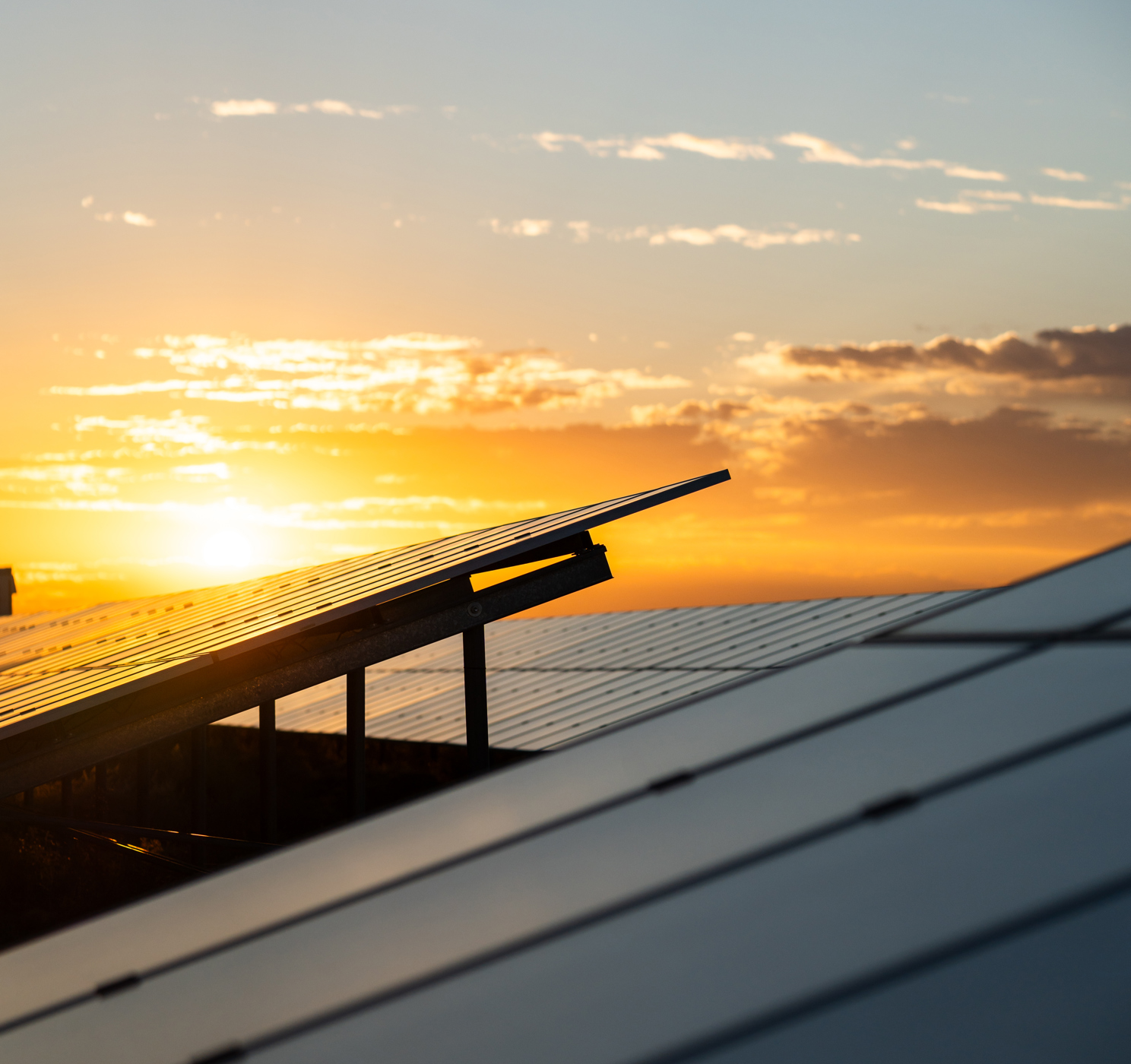
Solar PV is one of the cheapest, fastest and most scalable ways to add new electricity generation at a time when demand is growing. The technology converts sunlight directly into power and can be deployed across different scales, from stand-alone utility-scale assets to hybrid projects combining solar with wind and battery storage.

With falling costs, modular design and mature supply chains, solar PV can be deployed quickly in fast-growing markets. CIP develops solar as part of integrated power systems, combining generation, storage, grid access and offtake to meet near-term demand and improve long-term flexibility, especially alongside wind and batteries.

Project development and delivery is supported by CIP Terra Technologies, CIP’s dedicated delivery company for land-based energy infrastructure, including solar PV, advanced bioenergy, onshore wind, and battery storage.
Read more about one of our solar PV projects
Felix Studios Mulilo Feb 2024 48

Onshore wind

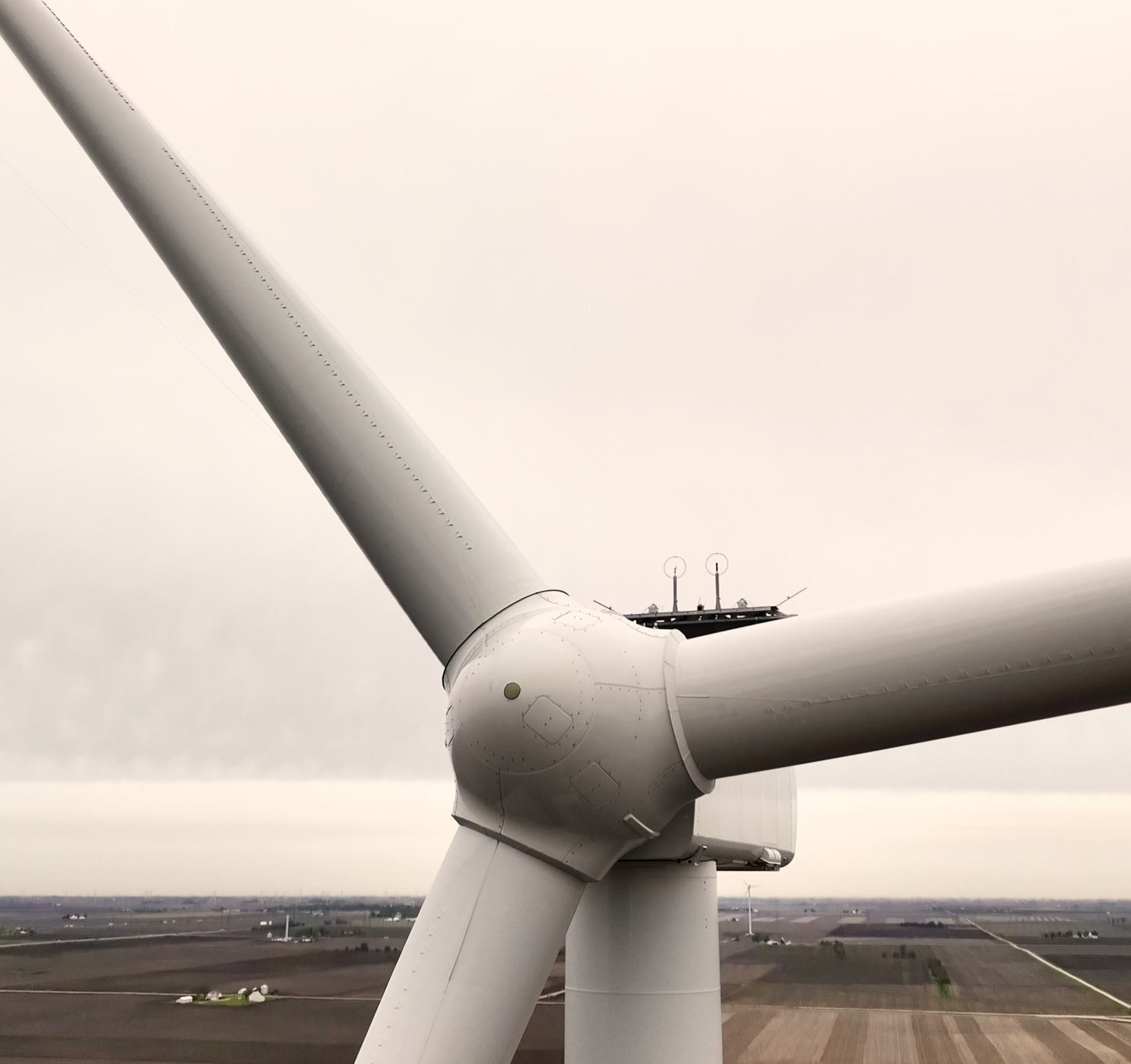
Onshore wind is one of the cheapest and fastest sources of new electricity generation and an important technology for meeting rising power demand. It can be deployed at scale in markets with strong wind resources, suitable land availability and grid access, making it a core part of the renewable energy build-out.

Onshore wind can be developed as a stand-alone source of generation or as part of hybrid energy systems with solar PV and battery storage.

Project development and delivery is supported by CIP Terra Technologies, CIP’s dedicated delivery company for land-based energy infrastructure, including onshore wind, advanced bioenergy, solar PV and battery storage.

Read more about one of our onshore wind projects
Panther Grove V4.00 00 15 24.Still003

Offshore wind

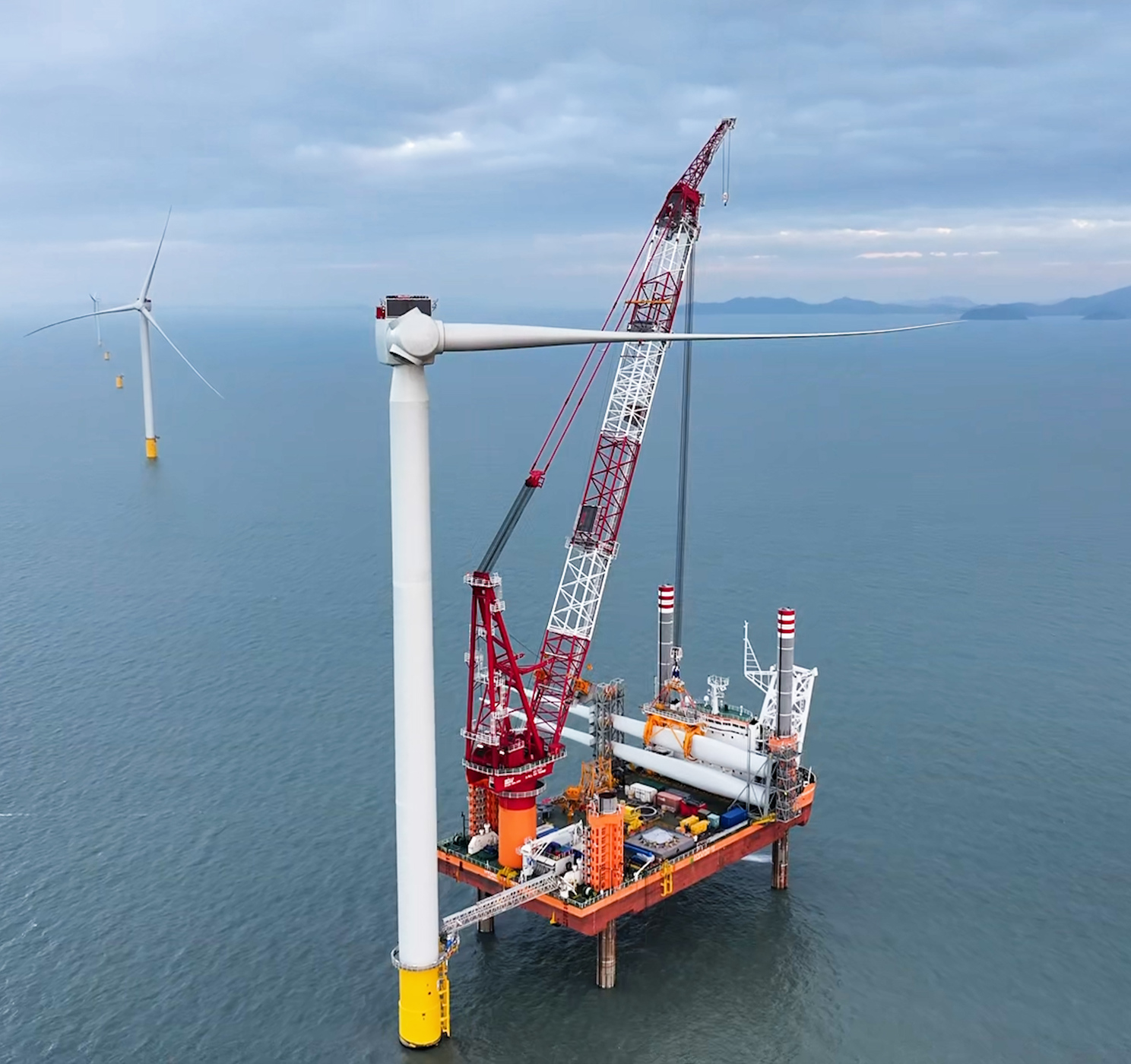
Offshore wind is a large-scale power generation technology suited to markets with strong wind resources, high electricity demand and limited land availability. By moving generation offshore, projects can access higher and more consistent wind speeds while supplying large volumes of clean electricity to coastal demand centres and industrial regions, supporting energy security and the wider electrification of the energy system.

Offshore wind projects are among the most complex energy infrastructure assets to develop, requiring deep capabilities across permitting, seabed conditions, grid connection, supply chains, construction planning and long-term operations.

Offshore wind projects are developed with support from Copenhagen Offshore Partners, CIP’s exclusive global offshore wind development partner, which provides specialist development, construction and operational expertise across CIP’s offshore wind portfolio.

Read more about one of our offshore wind projects
Jeonnam V4.00 00 07 08.Still003

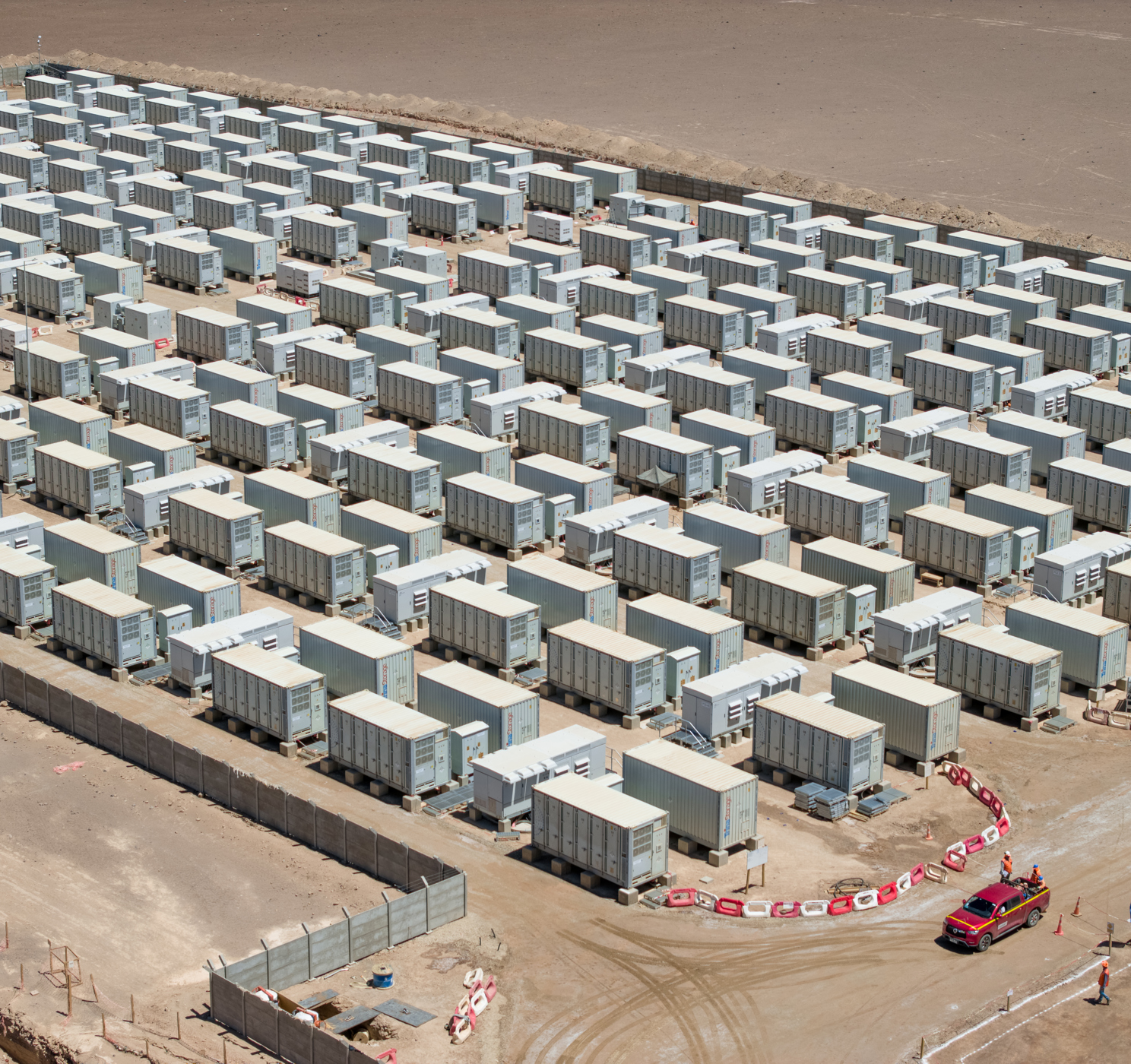
Battery energy storage

Battery energy storage systems are essential to making power systems more flexible. They store electricity when production is high or demand is low and release it when power is needed, helping shift power over time, balance supply and demand, provide capacity, reduce congestion and stabilise grids.

As electricity demand grows and power systems become more dependent on variable generation, storage plays an increasingly important role in keeping the system reliable and efficient. CIP develops battery storage in markets where flexibility is becoming more valuable, placing projects in strategic locations where they can support transmission systems, provide ancillary services and improve system utilisation. This makes battery storage a key system-integration technology for the energy infrastructure needed as electricity demand grows and power systems become more complex.

Project development and delivery is supported by CIP Terra Technologies, CIP’s dedicated delivery company for land-based energy infrastructure, including battery storage, advanced bioenergy, onshore wind, and solar PV.

Arena BESS Batteries Chile 2026 (12)

Advanced bioenergy

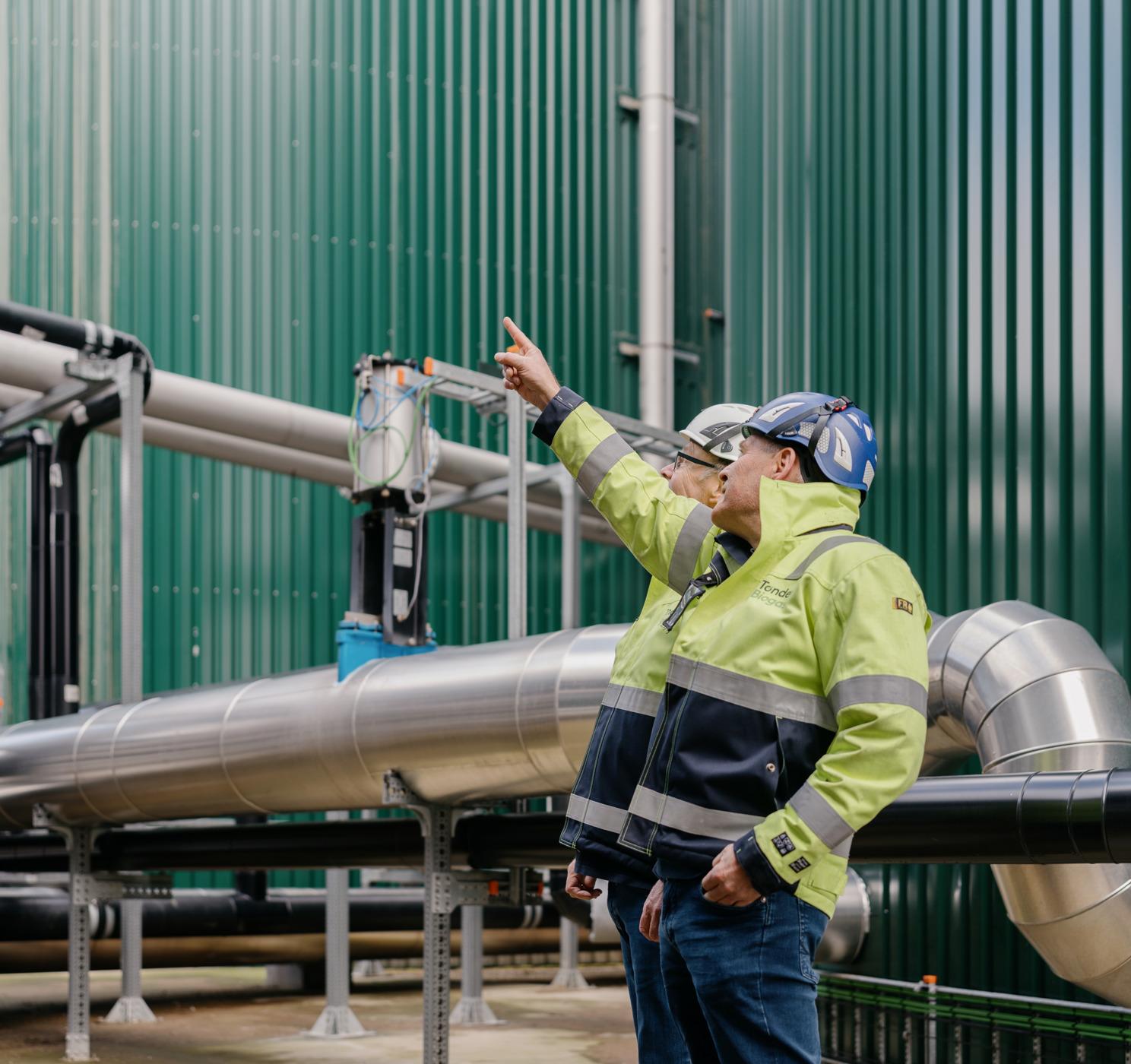
Advanced bioenergy converts organic waste streams into renewable gas and fuels, while supporting circular resource use and energy security. Biogas and biomethane are particularly relevant because they can use existing gas infrastructure and provide a scalable domestic alternative to fossil gas.

CIP focuses on large-scale advanced bioenergy infrastructure based on sustainable feedstocks such as agricultural, household and industrial biowaste. These projects require strong capabilities across feedstock sourcing, permitting, engineering, offtake and integration with local agricultural systems. 

CIP invests in advanced bioenergy through the CI Advanced Bioenergy Funds, where the technology forms part of CIP’s broader focus on renewable gases, fuels and circular energy infrastructure. Project development and delivery is supported by CIP Terra Technologies, CIP’s dedicated delivery company for land-based energy infrastructure, including advanced bioenergy, onshore wind, solar PV and battery storage.

Read more about one of our advanced bioenergy projects
CIP Tønder Biogas Full Res (8 Of 37)

Carbon capture and storage

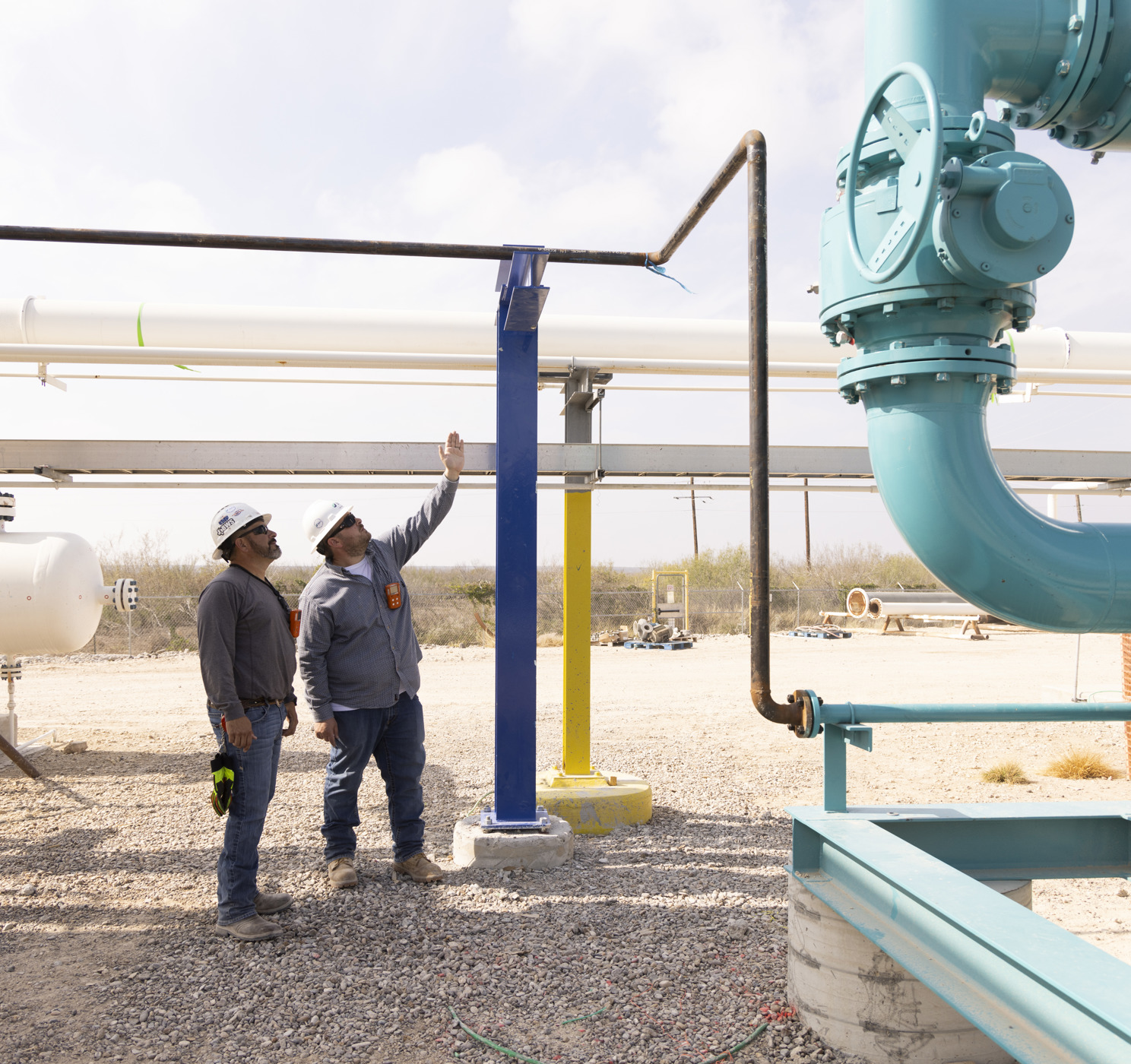
Carbon capture and storage (CCS) is a decarbonisation solution for industrial emissions that are difficult to avoid through electrification or fuel switching alone. The technology captures CO₂ from point sources, compresses and transports it, and stores it permanently in suitable geological formations.

CCS expands CIP’s decarbonisation activities beyond power generation by targeting industrial emissions that require dedicated capture, transport and storage solutions. This makes the technology relevant for sectors where emissions reductions depend on specialised infrastructure rather than renewable power alone.

Project development and delivery is supported by CIP Molecule Technologies, CIP’s dedicated platform for Power-to-X and carbon capture, use and storage projects, combining specialised capabilities with industrial-scale execution.

Cavallo CCS (CIP X BKV) (7)

Power-to-X

Power-to-X converts electricity into hydrogen and derivative products such as ammonia, methanol and other low-carbon fuels and feedstocks. These products can support sectors where direct electrification is difficult, including shipping, agriculture, steel production and industrial processes.
While the market for green molecules has developed more slowly than earlier expectations, Power-to-X remains an important long-term pathway for industrial decarbonisation, particularly in markets where regulation, offtake structures and project fundamentals support execution.

Project development and delivery is supported by CIP Molecule Technologies, CIP’s dedicated platform for Power-to-X and carbon capture, use and storage projects, combining specialised capabilities with industrial-scale execution.

Birdview2 (1)

Microgrids

Microgrids are local energy systems that combine generation, storage, demand and intelligent energy management within a defined area. They are increasingly relevant as integrated power solutions for industrial customers and power-intensive users, including ports, logistics hubs, district heating, mining and data centres, where electricity demand is growing faster than grid infrastructure can expand.

CIP is active in microgrids through Plexar Energy and the CI Microgrid Electrification Fund, offering an integrated model across design, development, financing, ownership, construction, operation and optimisation. By placing generation and storage close to consumption, microgrids can improve supply security, reduce grid dependency and help customers access power faster without taking on the full upfront investment themselves. Intelligent energy management systems can optimise electricity dispatch in real time, balancing local generation, storage and grid supply.

Read more about Plexar Energy
Plexar Harbour